Known-cohort acceptance design
Build a test set with positives, exclusions, ambiguous identities, stale signals, and conflicting sources. Score each requirement separately rather than publishing one flattering accuracy number.
Read research notes
Developers
Persana AI treats prospecting output as a set of claims that must be traced, challenged, and accepted—not as a database row that becomes true because an automation returned it.
“An observed event is not intent. A matched title is not responsibility. A populated field is not proof.”
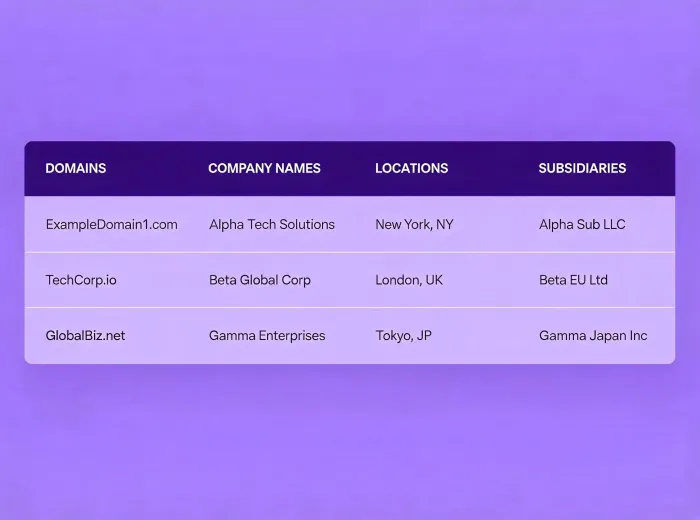
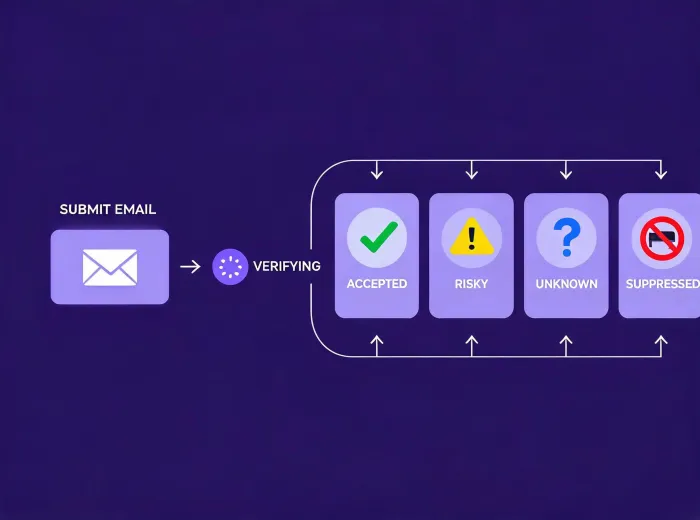
Our working method separates entity identity, firmographic classification, technographic evidence, contact verification, and commercial inference. That separation helps RevOps, GTM engineers, SDR leaders, and security reviewers locate the precise point where a weak assumption entered the workflow.
Agent-native software can reduce context switching and make repeated research easier, but it also moves important controls into prompts, tools, credentials, and runtime logs. The operator therefore needs visible acceptance criteria, source dates, review states, error handling, and deletion decisions from the beginning.
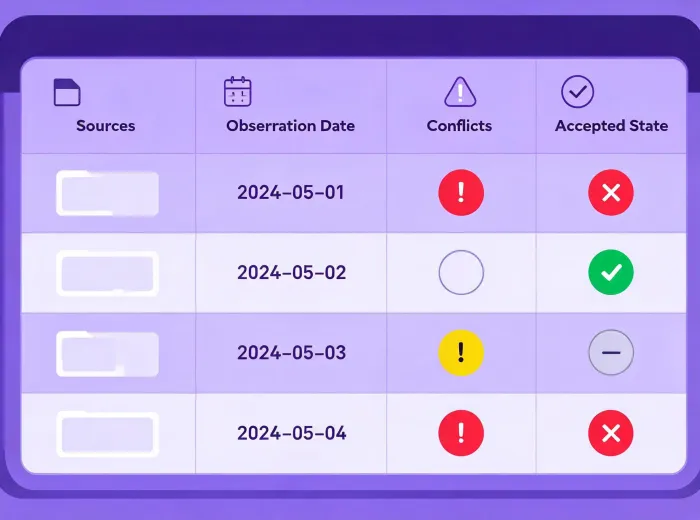
Build a test set with positives, exclusions, ambiguous identities, stale signals, and conflicting sources. Score each requirement separately rather than publishing one flattering accuracy number.
Read research notesDocument provider order, per-field provenance, retry behavior, incremental cost, conflict resolution, and deletion obligations before using multiple sources to increase fill.
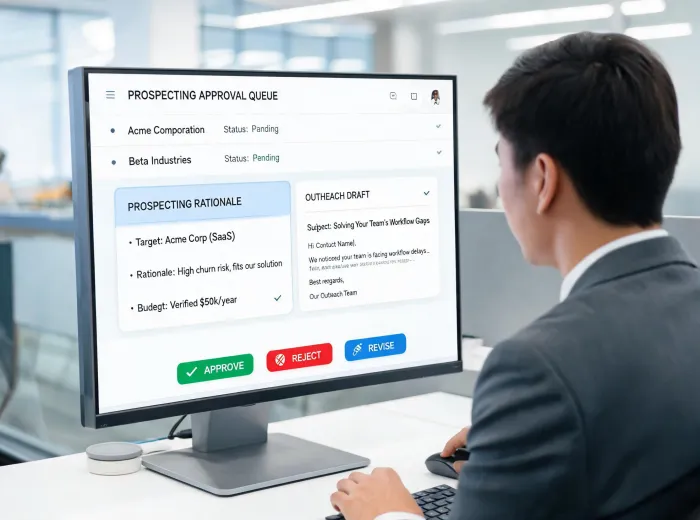
Explore workflowsDefine where research ends, drafting begins, and sending becomes possible. The approval record should cover relevance, verification, suppression, opt-out, and regional policy.
See use casesInstall Persana AI, test the smallest useful task, and preserve every unresolved field instead of forcing certainty.
npx -y @okki-global/okki-go-taroball